Website Disclosures
Board of Directors:
ABOUT
Board of Directors:

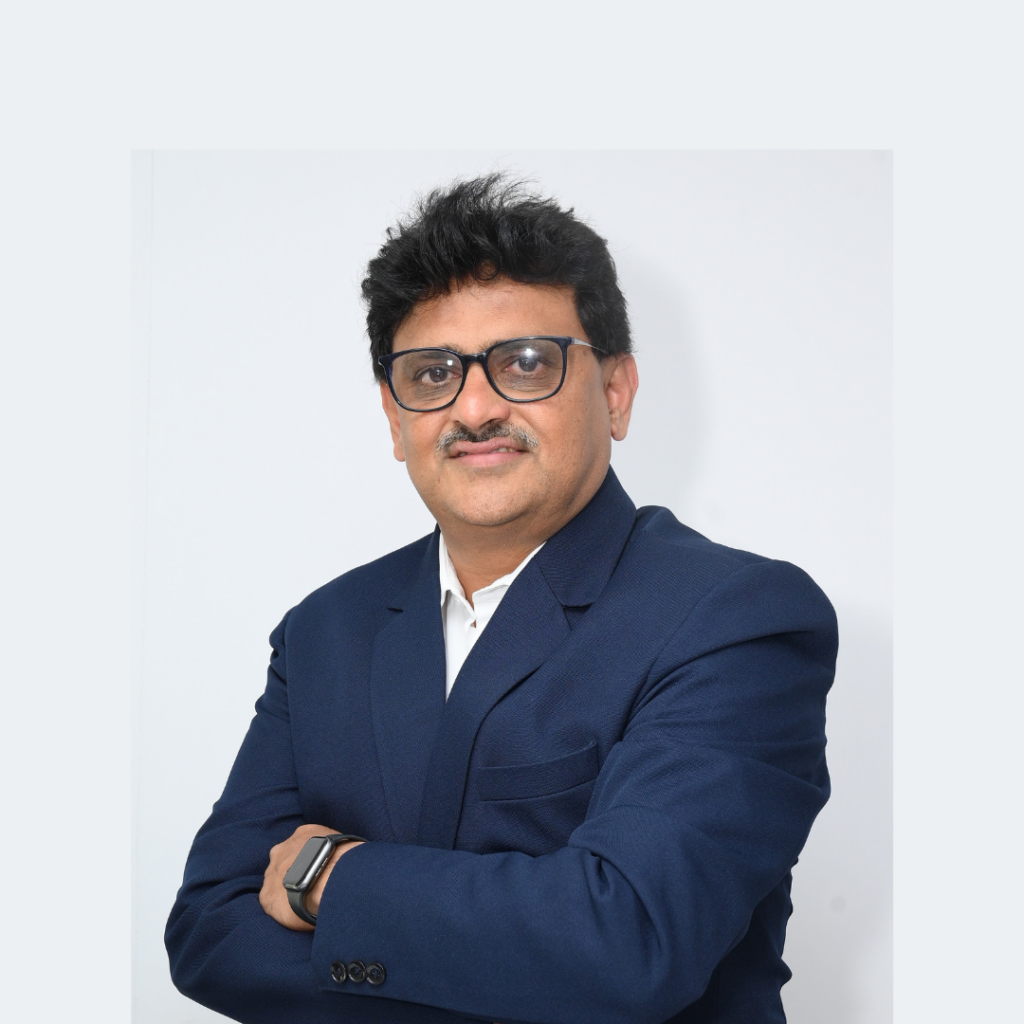
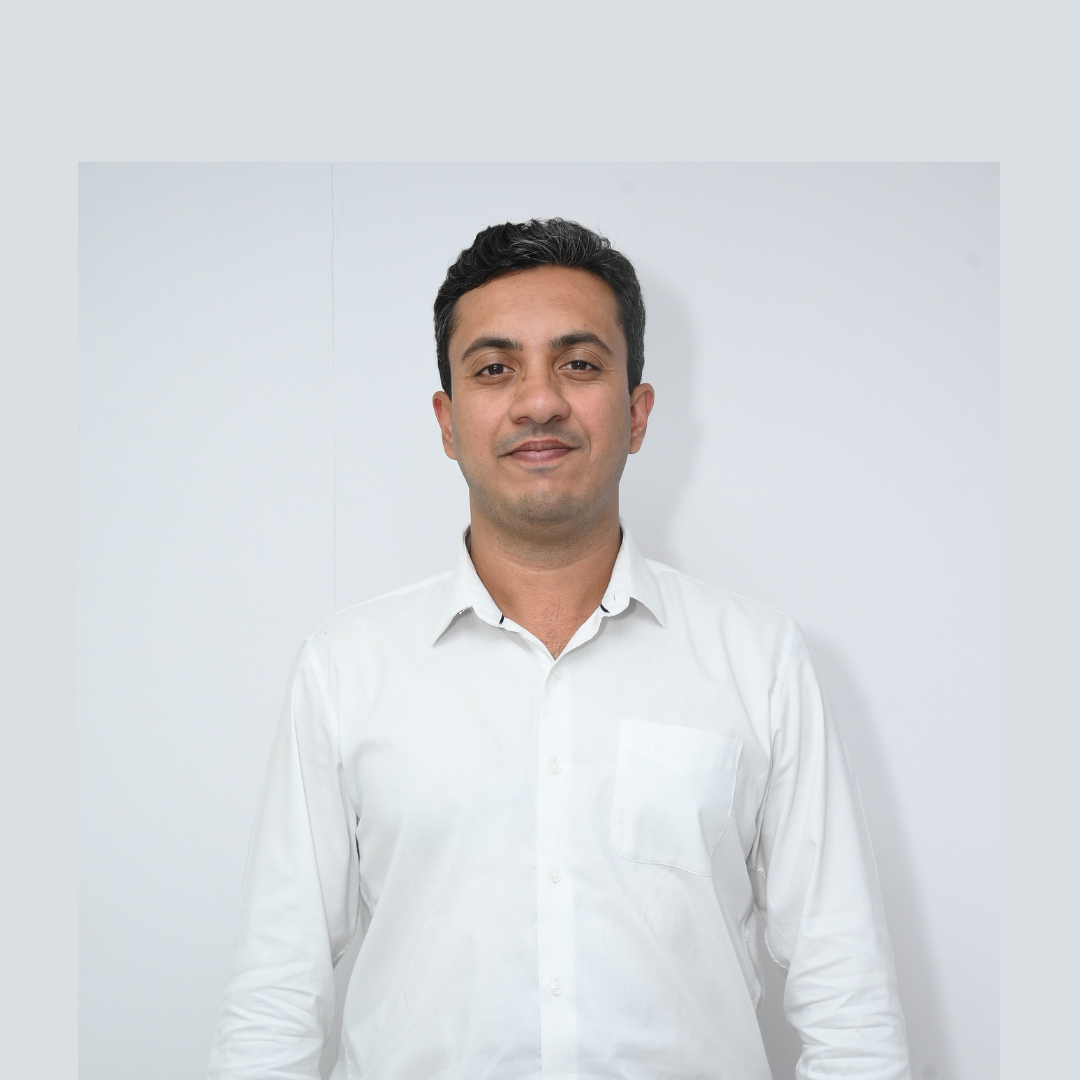
Nimesh R. Desai
Managing Director
Techera Managing Director Nimesh Rameshchandra Desai is a visionary businessman, also an adventurer and a human being with values and ethics. He was born in 1968 and grew up in a traditional and simple family and received his education in Mumbai. He started working at the age of 18 as a trainee at a company named as Klockner Windsor in Mumbai. With passion for engineering and his dedication towards his goals today he is a first-generation entrepreneur and being a technical master mind in the industry of mechanical manufacturing, he also specializes in building organizations, developing future leaders and inspiring the world around with his leadership and a life led by principles.
He started his company Techcellency in 1998 and since then in two decades, conquering the problems faced, he scaled the organizations to a new height with his vision and dynamic leadership. With a revenue of Rs. 3.5 lacs in 1998 to 2017, Jendamark Techcellency, a multinational company, with over 200 employees, a revenue of over Rs. 52 crores, he built an organization with strong set of values and principles and he worked as a Founder and Managing Director of the company. This earned him the respect and fame across customers, suppliers and people tied to Mechanical industry in Pune.Moving on from Jendamark Techcellency, TechEra Engineering (India) Private Limited as a Chairman, Director and a majority shareholder. Within the first year, the company has achieved a revenue of Rs. 15 cr. And still going strong.
Under the leadership of Nimesh Desai, TechEra is now a Defence and Aerospace Tooling Manufacturing company and have collaborated with IDBI Capital as venture funding. IDBI have invested in TechEra due to the potential of the organisation and the leaders. This is what Nimesh Desai’s market value is and this has been earned with sheer passion, dedication, and hard work.
Apart from being a thorough visionary and entrepreneur, he loves adventures and aims to break the Guinness record for Bungee jumping. Mr. Desai believes in “we rise by lifting others” and hence he is also a philanthropist with active participation in social welfare of children, providing aid to orphans so that education can reach them. He thoroughly supports an orphanage called “Snehwan” and donates money to other charities as well. Meet N. Desai
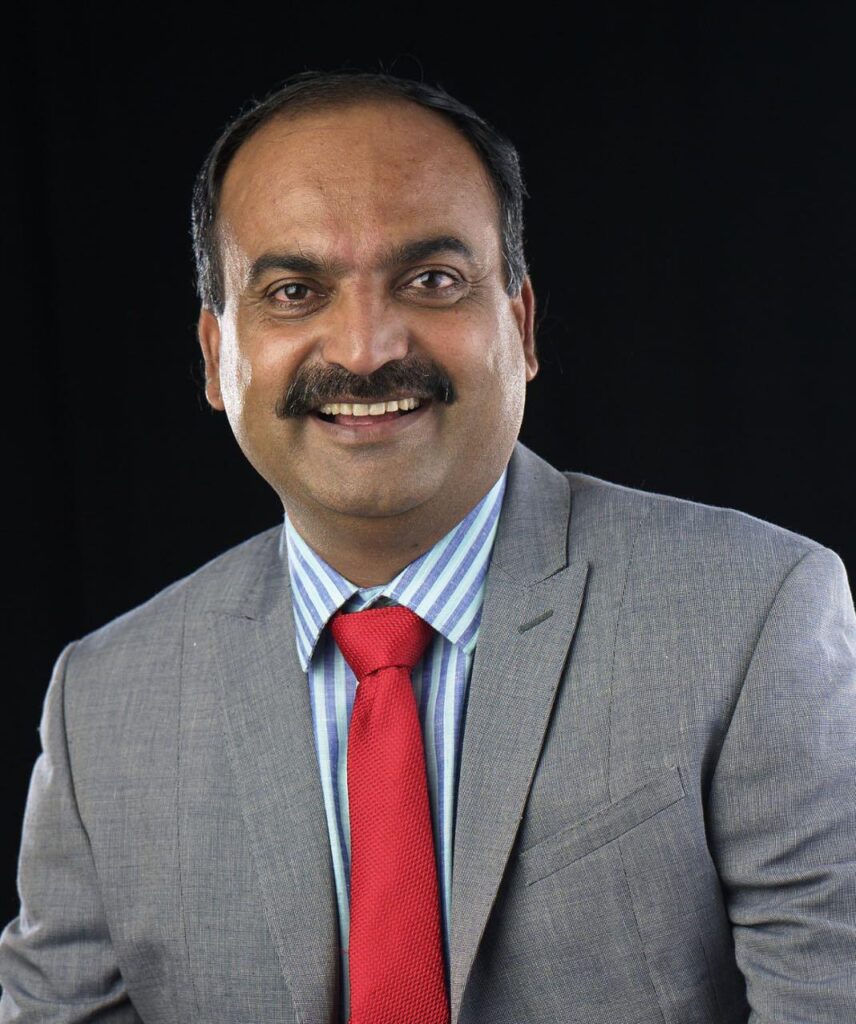
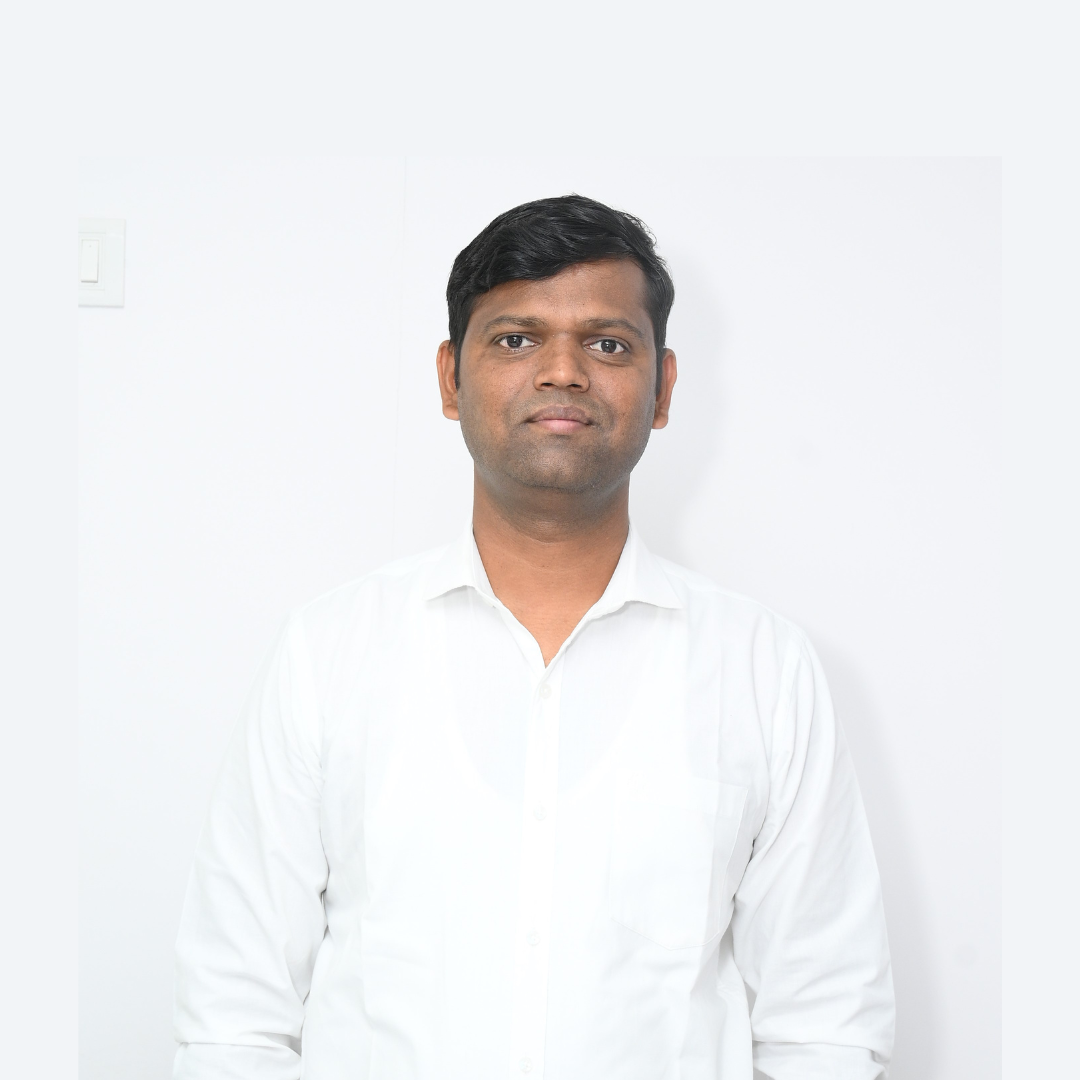
Director of Operations
Techera Founder and Promoter Meet Nimesh Desai is a Mechanical engineer from the University of Southampton. He pursued an M. Sc in Aerospace Engineering, University of Southampton in the year 2014. He started his career as an Executive Engineer in Techcellency Engineering (India) Private Limited. Later he joined Jendamark Techcellency Engineering India Private Limited as an Assistant Manager-Projects and was promoted to Head of projects. At the age of just 26 years he started Techera Engineering (India) Private Limited and in just 5 years span of time Techera is now a Defence and Aerospace Tooling Manufacturing company and have collaborated with IDBI Capital as venture funding. He is a passionate, focused and enthusiastic individual with contemporary business idea to achieve excellence in the field of engineering.
He believes in growing with a team of strong and like-minded people. He is a new age entrepreneur with a visionary approach to take the organization on new heights. His clear vision, strategic planning, analysis and deep knowledge in the field of engineering is contributing significantly to the overall success of Techera. He is also keenly involved in various employee engagement initiatives to bring in a young and vibrant culture. He was recognized and felicitated by Symbiosis University as a Young Leader on World Skills Day in July 2018 and Winner of achievers award “The Bumblebee Award” at Chrysalis Entrepreneur Forum.
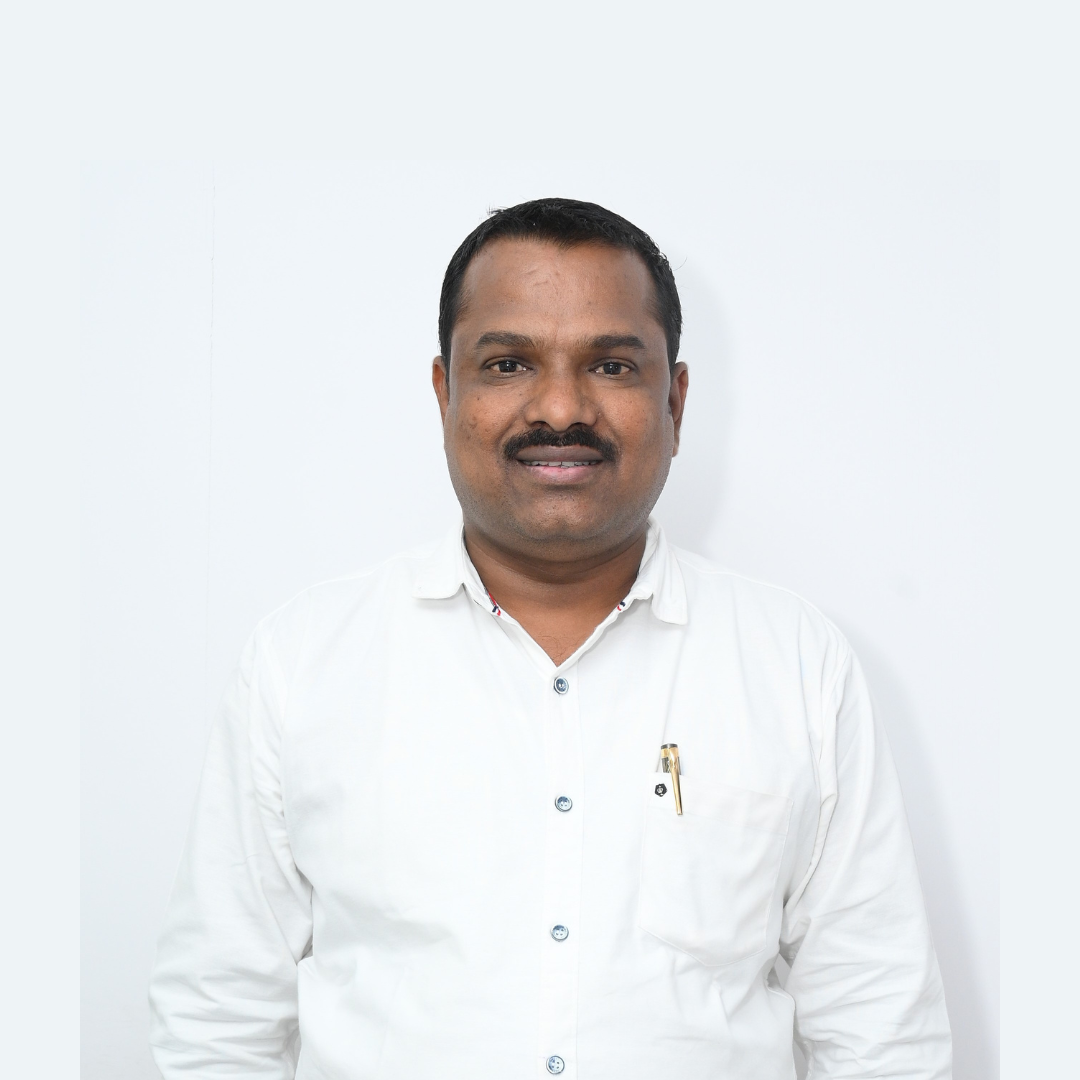
Kalpana N. Desai
Non- Executive Director
Kalpana Desai is a Non-Executive Director of our Company. She holds a Diploma in Education. She started her career in 1992 as a school teacher in NKT Gujrati Medium School, Thane. She is associated with Techera Engineering (India) Limited since April, 2023 where she currently holds the position of non-executive director. She was earlier associated with Jendamark Techcellency Automation (India) Private Limited for 5 years. She handles issues relating to implications of company strategies on their employees, consumers and other stakeholders, environment, and society at large. She is better equipped to handle decisions regarding HR policies, and balances the interest of various stakeholders, be it employees, workers etc. She possesses good people management techniques so as to lead the team and balance varied interest. She follows and maintains a good governance among the organization.
Manish Gupta
Independent Director
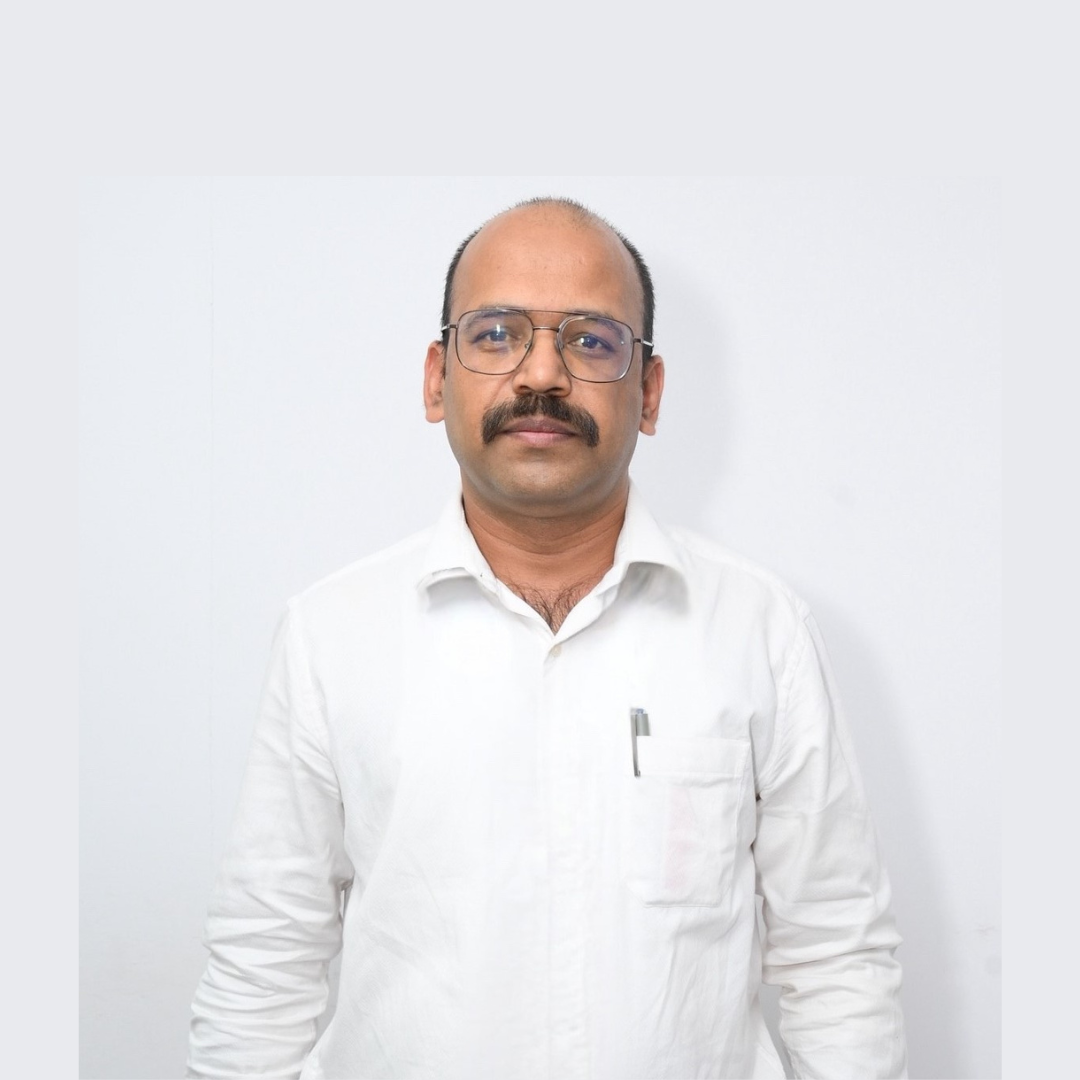
Manish Gupta is an Independent Director of our Company. He is a graduate with an expertise in Sociology and Psychology. He is an investor and founder of Chrysalis Business Solutions that is into “Empowering Entrepreneurs” through its core activities of business coaching, business consulting and organizational turnaround interventions. He possesses the requisite knowledge, experience, and skill for the position of Director. He is appreciated for enabling individuals and organizations reach a higher level of thinking thereby giving a meaning to their existence. he envisions to 10000 entrepreneurs, creating 1 million succ,ess stories and making a contribution of 2% in the GDP growth of India by 2030. He speaks to entrepreneurs and public audiences on subjects of professional and personal development. His unique ability lies in converting the most complex of subjects into simple, understandable and implementable concepts. It is his ability that enthrals his audience and provides a deeper meaning to their life and inspires to achieve much higher results and professional profitability.
He has played pivotal role in the growth of various organizations to develop leadership by experiential training as that in turn makes then bring out their professional best. He is a speaker in SME industry who has positively impacted 2,500+ entrepreneurs and 1,500+ organizations and associations through his seminars and coaching sessions on entrepreneur empowerment, leadership development and building “Arha Samasti” Enterprises.
Haridas N. Bhabad
Independent Director
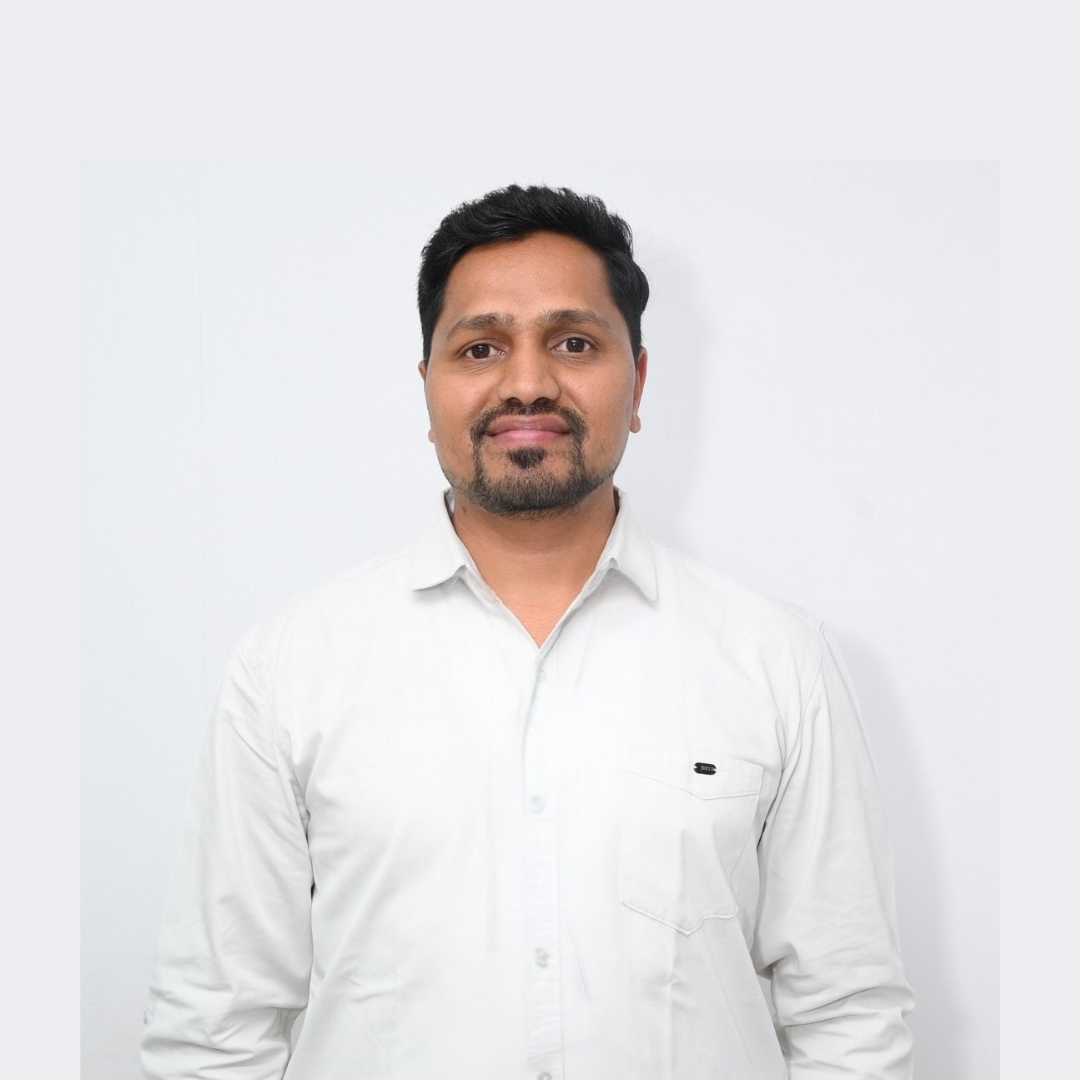
Haridas Bhabad is an Independent Director of our Company. He holds a post graduate diploma specialization in Banking and Financial services. He is a seasoned professional with a diverse background spanning engineering, finance, entrepreneurship, and leadership roles. With over a decade of experience as a maintenance manager and subsequently as the founder of Capital Den Advisory LLP, he has demonstrated a clear vision for MSME funding requirements and business growth. He founded and led a successful financial consultancy firm catering to MSME funding requirements, Instrumental in securing funds for client businesses, enabling expansion, new ventures, and stability. Cultivated enduring banking relations and provided invaluable analytical insights to adopt industry best practices. He partnered in Optiedge Tech Solutions LLP, contributing to market insights and digital innovation.
He is also acting as a partner in Infinity Thermotech Solutions LLP, a manufacturing service specializing in heat treatment. Currently he is serving as the Chief Financial Officer for Ask Engineers, a machining parts supplier for the oil and gas sector and a Director in HSR Finserv Private Limited and Beyond Entrepreneurship Private Limited. He is a Guinness World Record holder for participation in The Longest Human Chain underwater at Kohtao, Thailand, Passionate marathon runner, demonstrating discipline, endurance, and commitment beyond professional realms.
Board Committees:
The Board has appointed various committees to assist it in discharging its responsibilities. The Board has adopted charters setting forth the roles and responsibilities of each of the committees. The Board may constitute new committees or dissolve any existing committee as it deems necessary for the discharge of its responsibilities.
Audit Committee
Composition
Haridas N. Bhabad
Chairperson
Manish Gupta
Independent Director
Nimesh R. Desai
Managing Director
Objective of Audit Committee
The Audit Committee aims to enhance the confidence in the integrity of the company’s financial reporting, the internal control processes and procedures and the risk management systems.
Terms of reference of the Audit Committee:
(a) the recommendation for appointment, remuneration and terms of appointment of auditors of the company;
(b) review and monitor the auditor’s independence and performance, and effectiveness of audit process;
(c) examination of the financial statement and the auditors’ report thereon;
(d) approval or any subsequent modification of transactions of the company with related parties;
(e) scrutiny of inter-corporate loans and investments;
(f) valuation of undertakings or assets of the company, wherever it is necessary;
(g) evaluation of internal financial controls and risk management systems;
(h)monitoring the end use of funds raised through public offers and related matters.
Role of the Audit committee:
- oversight of the company’s financial reporting process and the disclosure of its financial information to ensure that the financial statement is correct, sufficient and credible;
- recommendation for appointment, remuneration and terms of appointment of auditors of the company;
- approval of payment to statutory auditors for any other services rendered by the statutory auditors;
- reviewing, with the management, the annual financial statements and auditor’s report thereon before submission to the board for approval, with particular reference to:
(a) matters required to be included in the Director’s Responsibility Statement to be included in the Board’s report in terms of clause (c) of sub-section 3 of section 134 of the Companies Act, 2013
(b) changes, if any, in accounting policies and practices and reasons for the same
(c) major accounting entries involving estimates based on the exercise of judgment by management
(d) significant adjustments made in the financial statements arising out of audit findings
(e) compliance with listing and other legal requirements relating to financial statements
(f) disclosure of any related party transactions
(g) qualifications in the draft audit report - reviewing, with the management, the quarterly financial statements before submission to the board for approval;
- reviewing, with the management, the statement of uses / application of funds raised through an issue (public issue, rights issue, preferential issue, etc.), the statement of funds utilized for purposes other than those stated in the offer document / prospectus / notice and the report submitted by the monitoring agency monitoring the utilisation of proceeds of a public or rights issue, and making appropriate recommendations to the Board to take up steps in this matter;
- review and monitor the auditor’s independence and performance, and effectiveness of audit process;
- approval or any subsequent modification of transactions of the company with related parties;
- scrutiny of inter-corporate loans and investments;
- valuation of undertakings or assets of the company, wherever it is necessary;
- evaluation of internal financial controls and risk management systems;
- reviewing, with the management, performance of statutory and internal auditors, adequacy of the internal control systems;
- reviewing the adequacy of internal audit function, if any, including the structure of the internal audit department, staffing and seniority of the official heading the department, reporting structure coverage and frequency of internal audit;
- discussion with internal auditors of any significant findings and follow up there on;
- reviewing the findings of any internal investigations by the internal auditors into matters where there is suspected fraud or irregularity or a failure of internal control systems of a material nature and reporting the matter to the board;
- discussion with statutory auditors before the audit commences, about the nature and scope of audit as well as post-audit discussion to ascertain any area of concern;
- to look into the reasons for substantial defaults in the payment to the depositors, debenture holders, shareholders (in case of non-payment of declared dividends) and creditors;
- to review the functioning of the Whistle Blower mechanism;
- approval of appointment of CFO (i.e., the whole-time Finance Director or any other person heading the finance function or discharging that function) after assessing the qualifications, experience and background, etc. of the candidate;
- carrying out any other function as is mentioned in the terms of reference of the Audit Committee.
Nomination & Remuneration Committee
Composition
Manish Gupta
Chairperson
Haridas N. Bhabad
Independent Director
Kalpana N. Desai
Director
Terms of Reference Nomination & Remuneration Committee:
- formulation of the criteria for determining qualifications, positive attributes and independence of a director and recommend to the Board a policy, relating to the remuneration of the directors, key managerial personnel and other employees;
- formulation of criteria for evaluation of Independent Directors and the Board;
- devising a policy on Board diversity;
- identifying persons who are qualified to become directors and who may be appointed in senior management in accordance with the criteria laid down, and recommend to the Board their appointment and removal. The company shall disclose the remuneration policy and the evaluation criteria in its Annual Report.
Functions of Nomination & Remuneration Committee:
- identify persons who are qualified to become directors and who may be appointed in senior management in accordance with the criteria laid down, recommend to the Board their appointment and removal. Further it has been attached with a wider responsibility of carrying out evaluation of every director’s performance.
- formulate the criteria for determining qualifications, positive attributes and independence of a director and recommend to the Board a policy, relating to the remuneration for the directors, key managerial personnel and other employees. While formulating the policy, the Committee shall consider the following:
(a) the level and composition of remuneration is reasonable and sufficient to attract, retain and motivate directors of the quality required to run the company successfully;
(b) relationship of remuneration to performance is clear and meets appropriate performance benchmarks; and
(c) remuneration to directors, key managerial personnel and senior management involves a balance between fixed and incentive pay reflecting short and long-term performance objectives appropriate to the working of the company and its goals.
Name: TECHERA ENGINEERING (INDIA) LIMITED (Formerly known as Techera Engineering (India) Private Limited),
Address of its registered office: GAT NO. 565, BEHIND NAMO MARBLE & TIMBERS AT POST VELU, TAL.BHOR, Pune, PUNE, Maharashtra, India, 412205
CIN: U29100PN2018PLC179327
Tel No: ………………….
Fax No. if any:
Email: info@techera.co.in
the name of person who may be contacted in case of any queries or grievances on the landing/ home page of the said website.